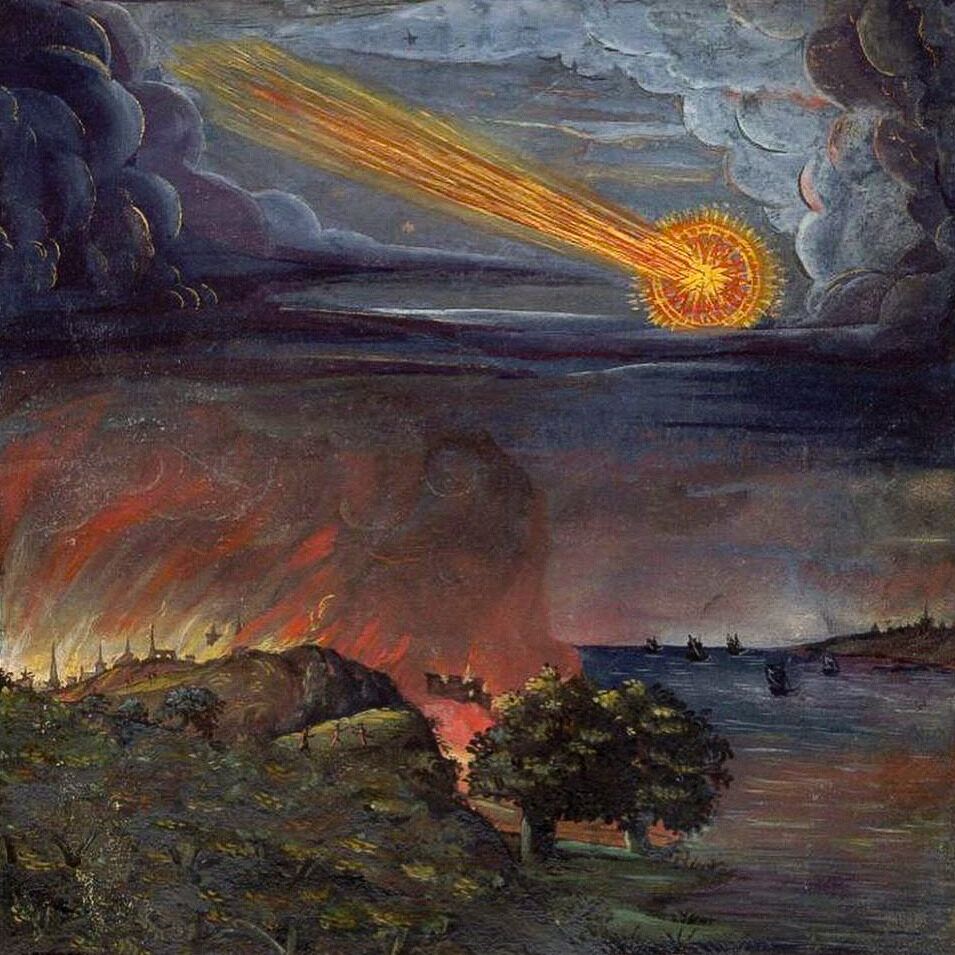
Taubes spent a lifetime studying, and critically admiring, apocalyptic moments and antinomian movements that recurred throughout history, and the normative legal structures upon which they were dependent and against which they revolted. The roots of these moments and movements, he argued, were to be found in a tension within Judaism itself: between the notion of the Law as eternal and the messianic claim that it would be suspended at the end of days. This, he argued, was equally true for the Jewish Sabbatean and Frankist movements, for Paul and later Christian developments, and even for subsequent modern political faiths such as Marxism. Most intriguingly, as Muller perceptively notes, these transgressive moments — like the sacrilegious Sabbatean notion of “redemption through sin” — were not just of academic interest to Taubes but were woven into the very texture of his personality.
-
← Tidigare
Hinton’s YouTube mining habits, and… -
Nästa →
The 1978 fire, which consumed…